Kairos. Anatolian Numismatic Studies 3/2025

79,00 €
Versandfertig in 30 Tagen, Lieferzeit 1-3 Tage
"Kairos. Anatolian Numismatic Studies 3/2025"
Kairos. Anatolian Numismatic Studies
3/2025
Istanbul 2025
ISSN 3023-7068
IV + 139 S./pp., zahlr. S/W-Abb. / num. b/w-figs., 27,5 x 19,5 cm; broschiert / softcover
İÇİNDEKİLER
Silver Coinage of Seleucus II Callinicus from Asia Minor: Production and Circulation / II. Seleukos Kallinikos'un Küçük Asya Gümüş Sikkeleri: Darp ve Sirkülasyon
Barbara Zając,
Isis vs. Sarapis: Egyptian Cults on the Coins of Pontus and Bithynia in the Roman Period / Isis vs. Sarapis: Roma Döneminde Pontos ve Bithynia Sikkelerinde Mısır Kültleri
Zeynep Çizmeli-Öğün – Marie-Christine Marcellesi,
Le Trésor de Monnaies Romaines Tardives Trouvé dans une Tombe du Letoon près de Xanthos en Lycie / Xanthos Yakınlarındaki Letoon'da Bir Mezarda Ele Geçen Geç Roma Sikkeleri Definesi
S. Ranucci – S. Casciarri – V. Chiaraluce – L. Donnini – M. Gasperini,
Monete Romane Provinciali dalla Via Flaminia a Carsulae, Vecchi Ritrovamenti e Recenti Acquisizioni / Via Flaminia'dan Carsulae'ye Roma Eyalet Sikkeleri: Eski Buluntular ve Yeni Kazanımlar
Yannis Stoyas,
The Emperor and the Prophet: An Extraordinary Basilikon Issue of Andronikos II Palaiologos with the Prophet-King Solomon / İmparator ve Peygamber: Andronikos II Palaiologos'un Peygamber-Kral Süleyman Tasvirli Olağanüstü Bir Basilikon Darbı
Short Note
Dinçer Savaş Lenger,
Reattribution of a Bronze Coin to Larissa in Aiolis / Bir Bronz Sikkenin Aiolis'teki Larissa'ya Yeniden Atfı
Salvage Excavation
Şahan Kırçın – Merve Kaya Köroğlu,
Coin Finds from Salvage Excavations in Turkey: Hasköy (Havsa–Edirne) / Türkiye'deki Kurtarma Kazılarında Ele Geçen Sikkeler: Hasköy (Havsa–Edirne)
Koray Konuk – Burcu Dama,
Numismatica Turcica 2024: A Review of Numismatic Publications in Turkish
Anmelden
Numismatik

Ceren Ünal,The Ağacık Hoard / Ağacık DefinesiManisa 2018ISBN 978-605-65752-0-4175 S./pp., zahlr. Farbabb. / num. colour figs., 20,5 x 14,5 cm; broschiert/paperback

Panagiotis P. Iossif – Yannis Stoyas (eds.),Fleur de Coin.Studies offered to François de Callataÿ by his students and friendsAthen 2025ISBN 978-618-86727-5-8760 S./pp., zahlr. S/W-Abb./num. b/w-figs., 27 x 20 cm; kartoniert / hardcoverCollective volume containing thirty papers in honour of François de Callataÿ. The publication covers seven fields related to the contributions of F. de Callataÿ, from studies of matrices and numismatic “treasures” to the reception of Numismatics and metallurgical analyses. Eminent scholars offer new perspectives, inspired by the work and personality of the honoured. François de Callataÿ is a distinguished archaeologist and one of the most important experts on Greek Numismatics and economic history of antiquity. He specialises in the reception of antiquity during the period between the 16th and 18th centuries in the Western world. His research focuses primarily on the coins of the Hellenistic kingdoms from Alexander the Great to Mithridates VI Eupator, king of Pontus, whose numismatic production was the subject of his doctoral dissertation. He is credited with sparking the scientific community’s interest in the value of quantifications of the monetary productions of the Greco-Roman world. He is the founder of the FINA project (Fontes Inediti Numismaticae Antiquae), which aims to issue unpublished sources on ancient coins before 1800. He works as a chief curator at the Royal Library of Belgium in Brussels, is a professor at the Université Libre de Bruxelles (ULB) and director of studies at the renowned École Pratique des Hautes Études in Paris. He is a full member of the Royal Belgian Academy and the Academia Europaea, and is a corresponding member of the Academy of Inscriptions and Letters (Académie des Inscriptions et Belles-Lettres) and the German Archaeological Institute (Deutsches Archaeologisches Institut), while in 2007 he was honoured with the highest distinction awarded to Belgian scientists, the Francqui Prize. In 2025 he was honoured with the Lord Byron Medal for his continuous contribution to the promotion of Greek culture.

Gabriel Mircea Talmațchi,From the Dominium Ponti Euxini to the Koinon ton Hellenon, from the Ripa Thraciae to the Province of Moesia Inferior. Roman Republican and Early Imperial Denarii in the Istro-Pontic Territory. Isolated finds(Coins from Roman Sites and Collections of Roman Coins from Romania, vol. XXI)Cluj-Napoca 2026ISBN 978-630-372-073-9202 S./pp., zahlr. S/W-Abb./num. b/w-figs., 29,7 x 21 cm; broschiert/softcoverGeographically, the area in focus belongs to the Istro-Pontic region, known today as Dobrudja, a territory that, until the course of the 1st century AD, represented the northeastern extremity of the Thracian space. In fact, its west Pontic coast was integrated, starting from the 1st century BC, into the anti-Roman Pontic kingdom of Mithridates VI Eupator (120–63 BC), within a dominium Ponti Euxini. In the same area, under Roman influence, a system of alliances was formed among the western Pontic cities, reflecting a Greek community (Κοινόν τῶν Ἑλλήνων). The growing importance of the Istro-Pontic region for the policy of Imperial Rome led to the establishment of a customs office called Ripae Thraciae, which was added to the customs district Portorium Illyrici Utriusque, attested under Claudius, but very possibly created as early as Augustus or even earlier. Strabo, referring to the Istro-Pontic territory and part of the Thracian land, speaks of Little Scythia (μικρᾱ Σκυθία/ Mikrá Skythia), viewed as an extension of the Scythian lands located north of the Black Sea (beyond the Tyras and Istrus, in the context of the Scythians’ settlement “in the nearby land”). This name has no connection to the later Roman province of Scythia, which would encompass the Istro-Pontic territory during the 4th–7th centuries AD. Chronologically, the period addressed in this work covers approximately 280 years of the evolution of the Dobrujan region, representing a relatively narrow temporal unit. Its conclusion coincides with a phase marked by numerous military events occurring in the Lower Danube area, within an environment rife with insecurity, such as those that took place during the reign of Emperor Domitianus. A consequence of these circumstances is the numerous hoards of coins hidden during this time, including those identified in the Istro-Pontic territory. This upper limit, considered as the chronological boundary, can be accepted if it is assumed that the hoards containing Republican and early Imperial coins discovered were assembled or buried by this date.

Gabriel Mircea Talmațchi,From the Dominium Ponti Euxini to the Koinon ton Hellenon, from the Ripa Thraciae to the Province of Moesia Inferior. Roman Republican and Early Imperial Denarii in the Istro-Pontic Territory. Coin hoards(Coins from Roman Sites and Collections of Roman Coins from Romania, vol. XXII)Cluj-Napoca 2026ISBN 978-630-372-074-6240 S./pp., zahlr. S/W-Abb./num. b/w-figs., 29,7 x 21 cm; broschiert/softcoverGeographically, the area in focus belongs to the Istro-Pontic region, known today as Dobrudja, a territory that, until the course of the 1st century AD, represented the northeastern extremity of the Thracian space. In fact, its west Pontic coast was integrated, starting from the 1st century BC, into the anti-Roman Pontic kingdom of Mithridates VI Eupator (120–63 BC), within a dominium Ponti Euxini. In the same area, under Roman influence, a system of alliances was formed among the western Pontic cities, reflecting a Greek community (Κοινόν τῶν Ἑλλήνων). The growing importance of the Istro-Pontic region for the policy of Imperial Rome led to the establishment of a customs office called Ripae Thraciae, which was added to the customs district Portorium Illyrici Utriusque, attested under Claudius, but very possibly created as early as Augustus or even earlier. Strabo, referring to the Istro-Pontic territory and part of the Thracian land, speaks of Little Scythia (μικρᾱ Σκυθία/ Mikrá Skythia), viewed as an extension of the Scythian lands located north of the Black Sea (beyond the Tyras and Istrus, in the context of the Scythians’ settlement “in the nearby land”). This name has no connection to the later Roman province of Scythia, which would encompass the Istro-Pontic territory during the 4th–7th centuries AD. Chronologically, the period addressed in this work covers approximately 280 years of the evolution of the Dobrujan region, representing a relatively narrow temporal unit. Its conclusion coincides with a phase marked by numerous military events occurring in the Lower Danube area, within an environment rife with insecurity, such as those that took place during the reign of Emperor Domitianus. A consequence of these circumstances is the numerous hoards of coins hidden during this time, including those identified in the Istro-Pontic territory. This upper limit, considered as the chronological boundary, can be accepted if it is assumed that the hoards containing Republican and early Imperial coins discovered were assembled or buried by this date.

Ursula Schachinger, Römische Münzen im Salzkammergut. Einzelfunde und Hortfunde als Zeugnisse von Handel, Verkehr und Krisenzeiten (Forschungen zur geschichtlichen Landeskunde der Steiermark, 102)Graz 2026ISBN 978-3-901251-71-9ISSN 2078-0141300 S./pp., zahlr. Farb- und S/W-Abb./num. colour and b/w-figs., 29,7 x 21 cm; broschiert/softcover

Zeynel Yılmaz – Cuma Ali Yılmaz,Roma Imparatorluk Dönemi Gümüş Sikkeleri. Özel KoleksiyonIstanbul 2025ISBN 978-625-5540-03-4182 S./pp., zahlr. S/W-Abb./num. b/w-figs., 23,5 x 16 cm; broschiert/paperback

Mehmet Kayhan Murat,Kızıldere Definesi Konya 2026 ISBN 978-625-8552-45-4140 S./pp., zahlr. S/W-Abb./num. b/w-figs., 24 x 16,5 cm; broschiert/softcoverDer Münzfund von Kızıldere, Gegenstand dieser Studie, wurde im Dorf Kızıldere im Bezirk Nazilli der Provinz Aydın entdeckt. Alle Münzen, geprägt in den zentralen Münzprägeanstalten des Römischen Reiches, repräsentieren 39 verschiedene Kaiser, Kaiserinnen und Cäsaren. Die Münzen, die einen Zeitraum von etwa 229 Jahren umfassen, stellen einen über lange Zeit angehäuften Schatz dar.The Kızıldere coin hoard, the subject of this study, was discovered in the village of Kızıldere in the Nazilli district of Aydın Province. All of the coins, minted in the central mints of the Roman Empire, depict 39 different emperors, empresses, and Caesars. The coins, which span a period of approximately 229 years, constitute a hoard accumulated over a long period of time.

Ivan Mirnik,Sylloge Nummorum Graecorum Croatia.Zagreb. The Archaeological Museum Numismatic CollectionVolume V. Macedonia. Roman Provincial CoinageZagreb 2025ISBN 978-953-8143-70-0431 S./pp., zahlr. Farb- und S/W-Abb. / num. colour and b/w-figs., 29,7 x 21 cm; kartoniert/hardcover

Oğuz Tekin,Roma ve Bizans Dünyasında Para. Tarihi Sikkelerden OkumakIstanbul 2025ISBN 978-625-6230-95-8XXII + 700 S./pp., zahlr. Farb- und S/W-Abb./num. colour and b/w-figs., 24 x 16,5 cm; broschiert/softcoverCoins are among the most important archaeological and historical sources for reading, understanding, and writing history. In this book, which examines coins from the Roman and Byzantine worlds, four main categories stand out: Roman coins, coins from Roman colonies, city coins minted under Roman rule, and Byzantine coins. The period covered spans approximately 1,800 years, from the late 4th century BCE, when the Romans began minting and using coins, to the coins of the last Byzantine Emperor, Constantine XI (1449–1453). This book, on the one hand, presents the economic, political, socio-cultural, religious, and mythological traces left by the states that shaped the Mediterranean region, accompanied by a wealth of visual material; on the other hand, it is designed to offer something of interest to anyone curious about coins. The book does not focus solely on coins; it also aims to paint a historical, political, social, cultural, and economic picture of the era through the depictions, symbols, and inscriptions found on coins, and to demonstrate how crucial coins are in understanding this picture. Readers will explore the atmosphere spanning a wide range of topics – including politics, culture, beliefs, the pantheon of gods, mythology, and symbols – in the Roman and Byzantine worlds, accompanied by hundreds of visuals. Furthermore, the book addresses the numismatic methodology required by history and archaeology students, including the reading and interpretation of coin legends, the analysis of depictions known as “types,” and the interpretation of symbols – that is, identification and classification.

Ivan Varbanov, Roman Coins and their prices realized. I. Roman Republican Coins. Volumes I & IIvol. I: Chronology of the Roman Republican Coinage. Catalogue: Gold coinage. Silver coinage – Part Onevol. II: Catalogue: Silver coinage – Part Two. Bronze coinage. IndexesBurgas 2025vol. I: ISBN 978-619-93185-0-8vol. II: ISBN 978-619-93185-1-5vol. I: 808 S./pp., zahlr. Farb- und S/W-Abb. / num. colour and b/w-figs., 21 x 15 cm; kartoniert / hardcovervol. II: 756 S./pp., zahlr. Farb- und S/W-Abb. / num. colour and b/w-figs., 21 x 15 cm; kartoniert / hardcoverThere is much magic, beauty, and challenge in numismatics, but the Roman coinage remains my one and only undisputed favorite. For more than 50 years, I have been collecting valuable information and I can confidently say that I have gathered the largest database of Roman coins, with facts about millions of pieces, currently available in private collections or expositions and archives of museums, with essential details on tens of thousands of auctions, eBay sales, and many other sources. I was fortunate to have collected this database during a time when, thanks to the rapidly developing metal detecting methods and technologies, many coins and troves were found around the world, as if trying to fill the gaps in the great puzzle of Roman Republican, Imperatorial, and Imperial coinage, thus providing a more complete picture of Roman coins and mint craft. To begin with, I published a few books on Greek Imperial and Roman Provincial Coinage, such as the three volumes of “Greek Imperial Coinage”, covering the provincial coinage at the mints on the Balkan Peninsula, as well as the two volumes of “The Coinage of Philippopolis”, covering the complete mintcraft in this ancient city. However, the main part of my database consists of coins issued at the central Roman mints. As the process of identification and classification recently became almost unmanageable due to the vast number of Roman coins discovered so far, I decided to publish the already available information in catalogs, initially focusing on the Roman Republican coinage. This work aims to examine the Roman Republican coinage, covering the period from the irregularly shaped pieces of bronze known as Aes Rude (a.k.a. Aes Infectum or Imperfectum) to the period 8th – 3rd century BC and the beginning of Roman Imperatorial coinage (it will be considered in a separate volume), roughly around 49 BC. The purpose of this catalogue does not lie in providing a complete analysis of all aspects of the Republican coinage. In his work “Roman Republican coinage”, Michael H. Crawford dwells in detail on this topic and needs not be repeated. The current book simply aims to summarize the data already presented by the prominent scholars М. Crawford, А. Banti, L. Simonetti, E. Sydenham, E. Babelon, and all those who have contributed to the study and systematization of the Roman Republican coinage. The book also supplements the existing research by presenting many new coins that lack any previous description, together with their unpublished variants. It also covers a good number of hitherto unknown inscriptions, control marks, symbols, letters, or digits discovered after the publication of the fundamental works by the authors mentioned above. Apart from the main coin types, the classification presented herein describes all available varieties, including those absent in Crawford’s research, each marked with a separate number. All hybrid Republican coins for which I have found sufficient information are analyzed as well. A complete description of the coins issued by the mints during The Social War – the so-called denarii of the Marsic Confederation – is also added in this catalog. A fundamental principle I try to follow in my work is to compose each book in a manner that I would personally expect to see for any such data arranged in a catalog. My presentation also follows the requirements and recommendations gathered through discussions with colleagues and collectors from all over the world. Hence, the key principle of this catalog is to facilitate quick identification of any already acquired coins or, alternatively, provide complete data on items one might wish to acquire. Therefore, all the presented coins are arranged based on the metal they are made of, i.e., in the following sequence: gold, silver, bronze. Coins made of the same metal are further classified by their years of issue, as well as by their denominations. The design of a coin type is displayed in a photo adjacent to its description. Photos are provided on a 1:1 scale, apart from a few exceptions, where the scale is stated at the base. The year of issue is followed by the average value based on the weight of all coins of a specific variety. Since weight may vary within a wider range for some of the bronze items presented, the minimum, average, and maximum weight of the specimen is also provided. After a detailed description of the obverse and reverse for a given coin, all references for the same are duly listed, followed by the number of specimens used. Below each description, you will also find information about the specific prices at which the coin was sold, depending on its quality. Different prices are given for the different quality types: F (fine), VF (very fine), EF (extra fine), and MS (mint state). Furthermore, each quality type is featured with the minimum, average, and maximum price (min/avg/max) at which the coin was previously sold. All prices are in euros or have been converted to euros based on the exchange rate on the date the coin was sold, if it was originally sold in another currency. A detailed Appendix is enclosed at the end of this catalog, specifying all inscriptions, control marks, digits, or symbols visible on any Republican coins. After each of these marks, you will find listed the pages where the same symbol appears. For faster and easier identification, the Crawford numbering is included in the beginning of the Appendix, along with the corresponding numbering as per this catalog.

Oğuz Tekin – Remziye Boyraz Seyhan (eds.), Third International Congress on the History of Money and Numismatics in the Mediterranean World.April 1-4, 2024 – Antalya Proceedings Istanbul 2025ISBN 978-625-8520-28-6XIV + 567 S./pp.; zahlr. Farb- und S/W-Abb./num. colour and b/w-figs., 28 x 21,5 cm; kartoniert/hardcover

Oğuz Tekin (ed.), Shopping and Weighing Instruments in the Mediterranean World and Beyond Throughout History. November 27-29, 2023 – AKMED / Antalya Proceedings. Istanbul 2025ISBN 978-625-8520-27-9X + 364 S./pp.; zahlr. Farb- und S/W-Abb./num. colour and b/w-figs., 28 x 21,5 cm; kartoniert/hardcover

Hasan Uğuz,Konya Müzesi Geç Roma SikkeleriIstanbul 2026ISBN 978-625-396-834-2272 S./pp.; zahlr. Farb- und S/W-Abb./num. colour and b/w-figs., 29,7 x 21 cm; broschiert/softcoverStarting in the early 19th century, as interest in the study of the ancient world, archaeology, and museology grew, the Ottoman Empire did not remain indifferent to these developments and, in parallel with these developments, issued regulations regarding cultural heritage. The Konya Museum was established in 1899 during the Ottoman period as a branch of the Imperial Museum. Operating as a regional museum, it took under its protection the artifacts from the sanjaks under the province’s jurisdiction. During the tenure of Ferid Pasha of Avlona (1898–1902), one of Konya’s governors, cultural artifacts uncovered as part of certain urban development projects (!) were first exhibited at the Konya Bedesten – also known as the “Municipal Museum” – and later at the Konya Museum. At the Konya Museum (according to the museum’s inventory records), archaeological artifacts began to be cataloged starting in 1899. The earliest coin recorded in the museum dates back to 1910. The subject of this study is the 1,280 coins dating to the Late Roman Period in the museum collection, which were recorded over a 126-year period. The aim is to set a precedent for other museum inventory studies in Turkey, to facilitate the work of researchers planning to conduct research in this field, and to serve as a guide for similar museum studies.

Mehmet Kayhan Murat,Bandırma Müzesi Geç Roma Sikkeleri Istanbul 2025ISBN 978-625-6212-47-3XII + 103 S./pp., zahlr. S/W-Abb./num. b/w-figs., 23 x 16,5 cm; broschiert/softcoverDiese Studie über Münzen der Spätantike im Museum von Bandırma umfasst insgesamt 389 Münzen der Spätantike aus dem Museum von Bandırma. Die untersuchten Münzen leisten einen wichtigen Beitrag zum Verständnis des Münzumlaufs und der Prägenetze dieser Epoche.This study, which covers Late Roman Period coins housed at the Bandırma Museum, includes a total of 389 Late Roman Period coins from the Bandırma Museum. The coins examined provide significant insights into the coin circulation and mint networks of the period.

N. Eda Akyürek Şahin – Roman Jacobek – Fatih Onur – Diether Schürr (Hrsg./eds.),Von Damaskus bis Rom. Wilhelm Müseler, Gesammelte Schriften.(Gephyra Monographs 7)Wien 2025ISBN 978-3-85161-320-9722 S./pp., zahlr. S/W-Abb. / num. b/w-figs., 29,7 x 21 cm; kartoniert / hardcoverDer Band "Von Damaskus bis Rom" versammelt 25 Beiträge des Numismatikres Wilhelm Müseler in deutscher und englischer Sprache, die in den Jahren 1990 bis 2025 erschienen sind sowie einen bislang unpublizierten Aufsatz.The volume “From Damascus to Rome” brings together 25 articles by numismatist Wilhelm Müseler in German and English, published between 1990 and 2025, as well as a previously unpublished essay.
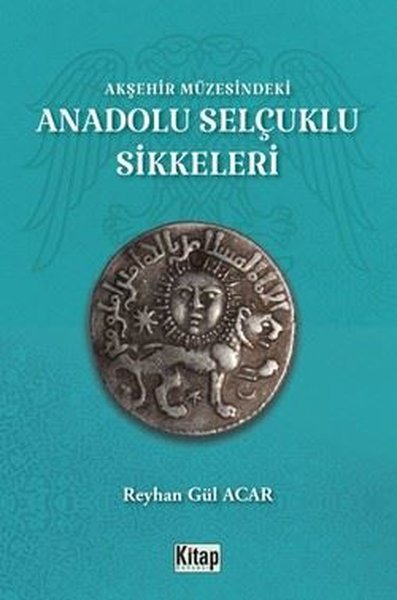
Reyhan Gül Acar, Akşehir Müzesindeki Anadolu Selçuklu SikkeleriIstanbul 2025ISBN 978-625-5940-65-0166 S./pp., zahlr. S/W-Abb./num. b/w-figs., 24 x 16 cm; broschiert/paperback
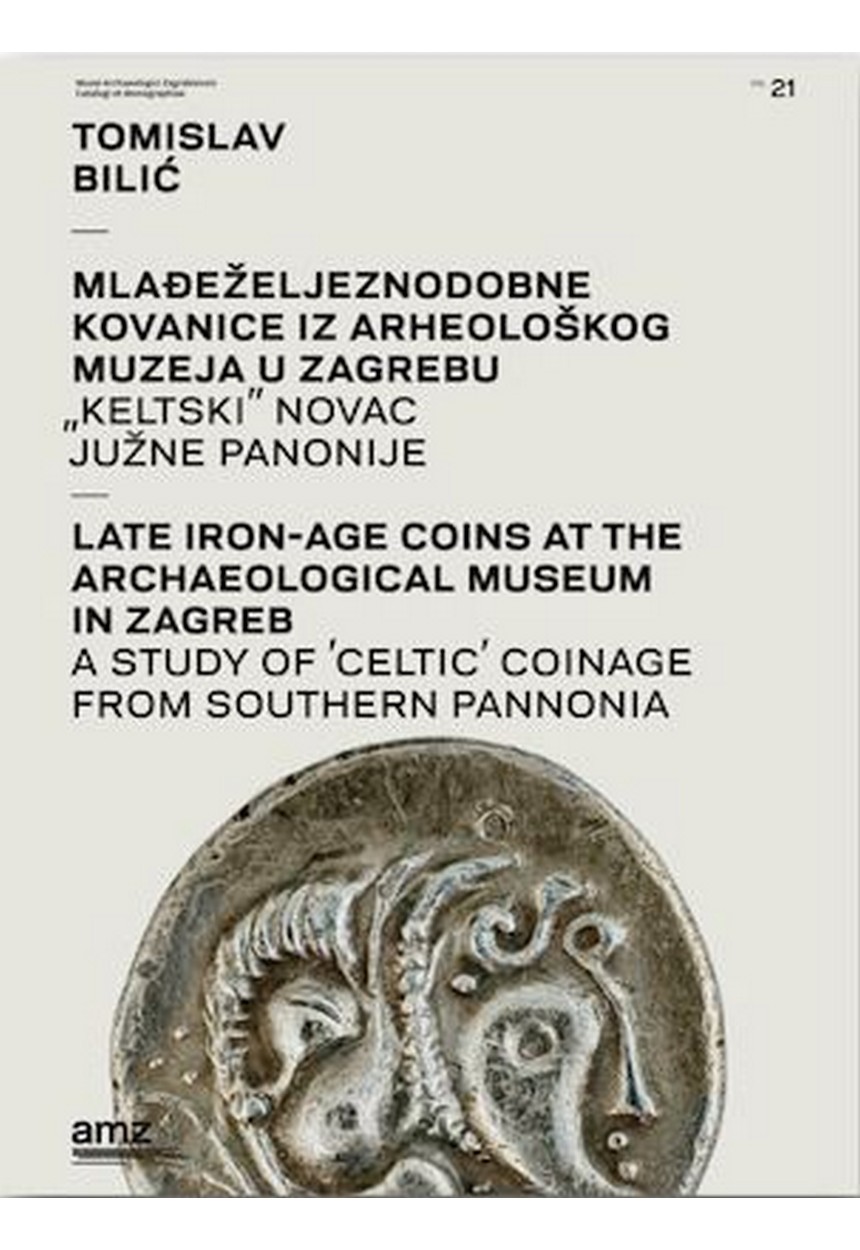
Tomislav Bilić,Late Iron-Age Coins at the Archaeological Museum in Zagreb. A study of the 'Celtic' Coinage from Southern Pannonia / Mlađeželjeznodobne kovanice iz Arheološkog muzeja u Zagrebu. „Keltski“ novac južne Panonije(Musei Archaeologici Zagrabiensis. Catalogi et Monographiae / Arheološkog muzeja u Zagrebu. Katalozi i monografije / Archaeological Museum in Zagreb. Catalogues and Monographs volumen / svezak / volume XXI)Zagreb 2024ISBN 978-953-8143-61-8ISBN 978-953-6335-26-8355 S./pp., zahlr. Farb- u. SW-Abb./num. colour and b/w-figs., 29,7 x 23 cm; kartoniert/hardcoverzweisprachig kroatisch - englischbilingual croatian - english
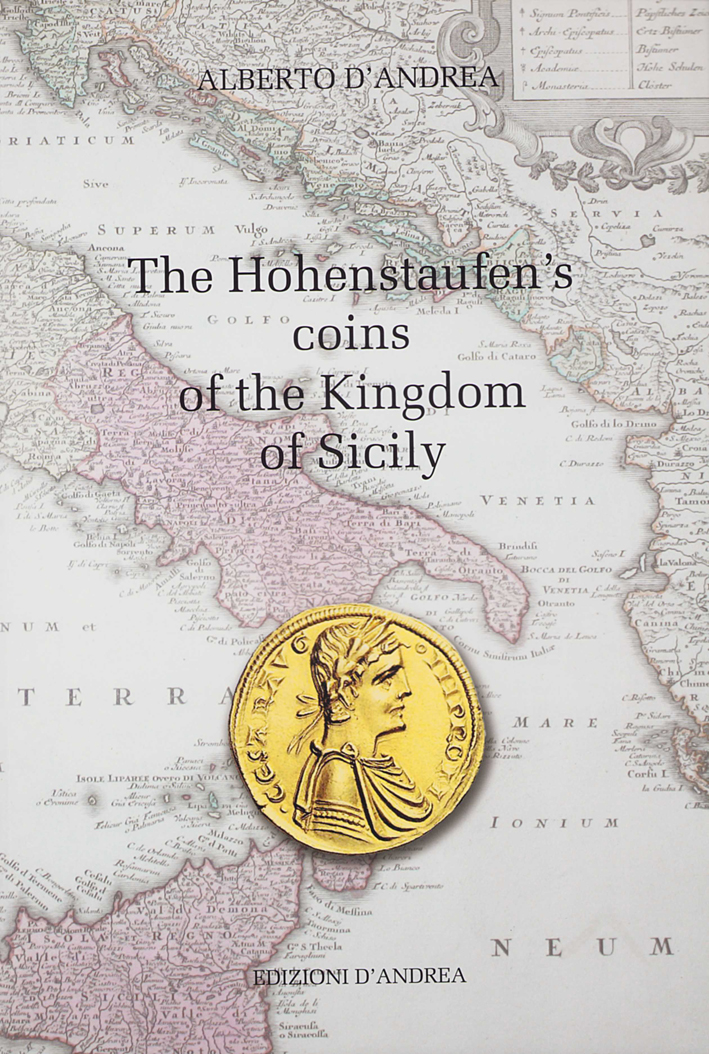
Alberto D'Andrea,The Hohenstaufen's coins of the Kingdom of SicilyRoseto degli Abruzzi 2013ISBN 978-88-98330-01-0112 S./pp., zahlr. SW- und Farbabb./num. colour and b/w-figs., 33 x 22 cm; broschiert/softcover
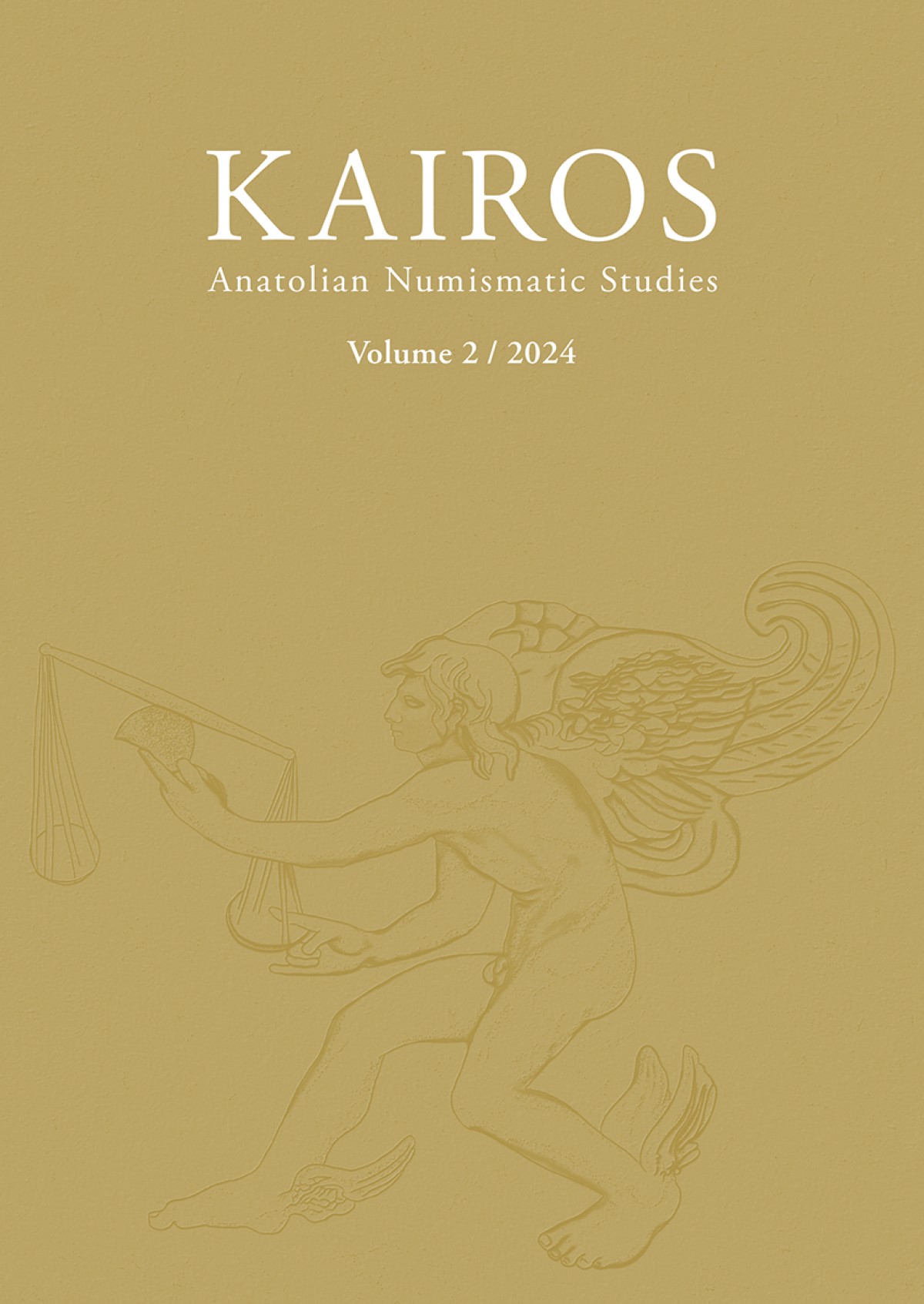
Kairos. Anatolian Numismatic Studies 2/2024Istanbul 2024ISSN 3023-7068IV + 143 S./pp., zahlr. S/W-Abb. / num. b/w-figs., 27,5 x 19,5 cm; broschiert / softcover
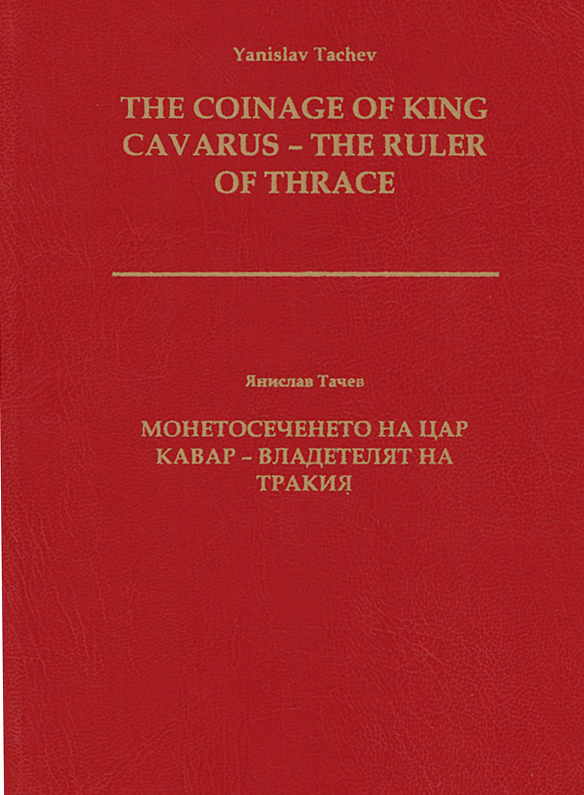
Yanislav Tachev, The Coinage of King Cavarus – The Ruler of ThraceSofia 2024ISBN 978-619-91692-6-1190 S./pp., zahlr. S/W-Abb./num. b/w-figs., 21 x 15 cm; kartoniert / hardcoverEnglisch mit Zusammenfassung in Bulgarisch /English with a summary in Bulgarian
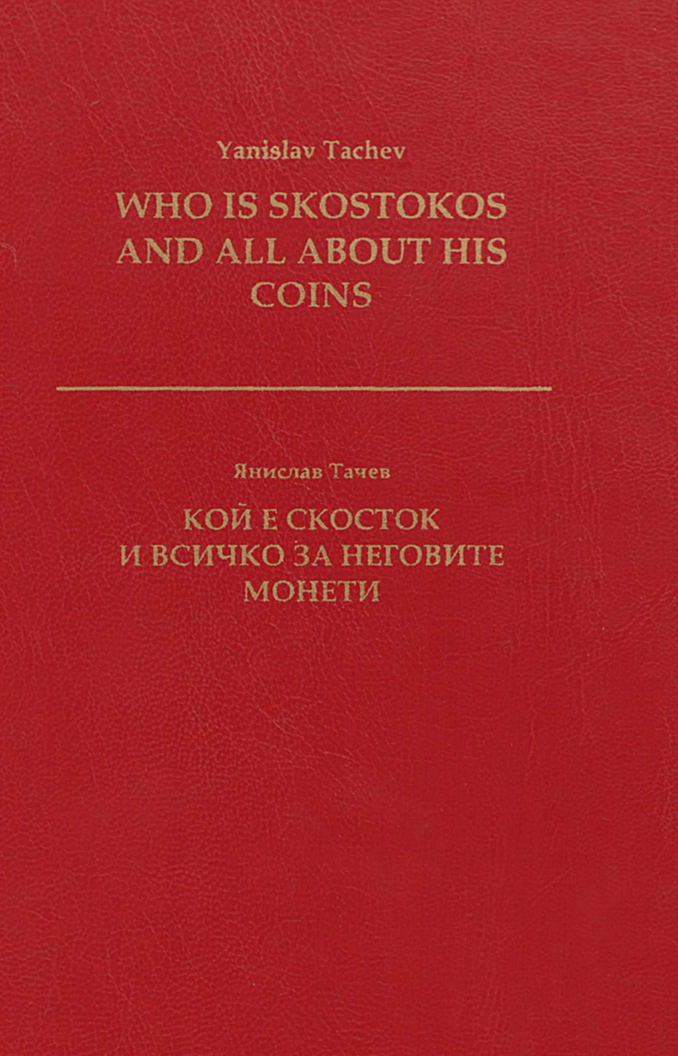
Yanislav Tachev, Who is Skostokos and all about his Coins Sofia 2024ISBN 978-619-91692-7-8186 S./pp., zahlr. S/W-Abb./num. b/w-figs., 21 x 15 cm; kartoniert / hardcoverEnglisch mit Zusammenfassung in Bulgarisch /English with a summary in Bulgarian The proposed study is devoted to the bronze and silver coins on the reverse seals of which the name ΣKOΣTOKОY is inscribed. The work includes all the coins (bronze rulers and silver city coins) known to date. The study is divided into two parts. The first part consists of two chapters. The first chapter deals with the individual aspects of the earliest coins. These are the bronze ruler coins of the type "head of Apollo / horseman, running right", inscription ΣKOΣTOKOY inscribed above horseman. In the second chapter of the first part, all known posthumous autonomies are covered Lysimachus tetradrachms and drachms signed in the cut with the inscription ΣKOΣTOKOY. In the second part of the study, the problems of the late ruler bronze coins of the type "bust of the ruler / horseman, walking right", inscription ΣKOΣTOKOY are examined. Over the past two centuries, many researchers have published specimens of both the bronze and silver coins with the inscription ΣKOΣTOKOY on the reverse stamps.
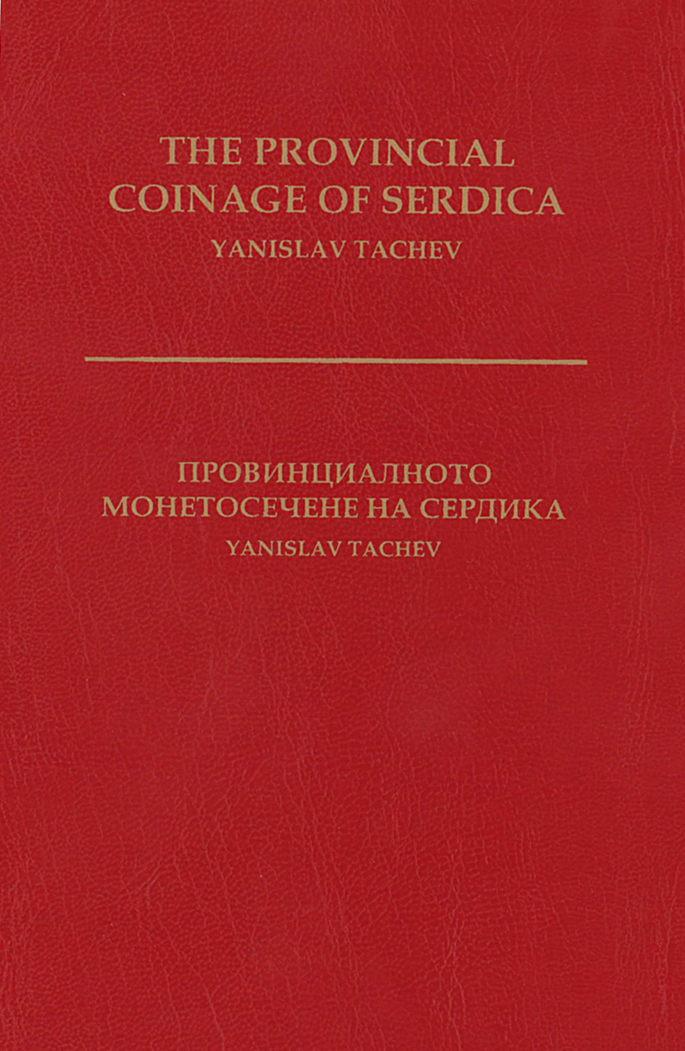
Yanislav Tachev, The Provincial Coinage of SerdicaSofia 2020 (2025)ISBN 978-619-90409-6-6450 S./pp., 206 S/W-Taf./206 b/w-pls., 21 x 15 cm; kartoniert / hardcoverEnglisch mit Zusammenfassung in Bulgarisch /English with a summary in Bulgarian Serdica is the only city on the territory of today's Bulgaria that issued coins in three different chronological periods. The city mint goes through three radically different phases. Initially it was created as a provincial mint, after a century of operation it was transformed into a branch of the central Roman mint (the end of the reign of Emperor Gallienus (253 – 268) and finally minted Ottoman coins (XVI – XVIII centuries)1. The subject of the proposed work is the provincial coinage of the city. The provincial coinage of Serdica began during the joint reign of the emperors Marcus Aurelius (161 – 180) and Lucius Verus (161 – 169) and with hiatuses of different lengths continued until the period of the independent (260 – 268) rule of Emperor Gallienus (253 – 268). During this one hundred and seven year period, coins were issued in the city for six emperors and their family members. From the conducted research, it is clear that the most intensive coinage was during the sovereign reign of Emperor Karakala (212 – 217).
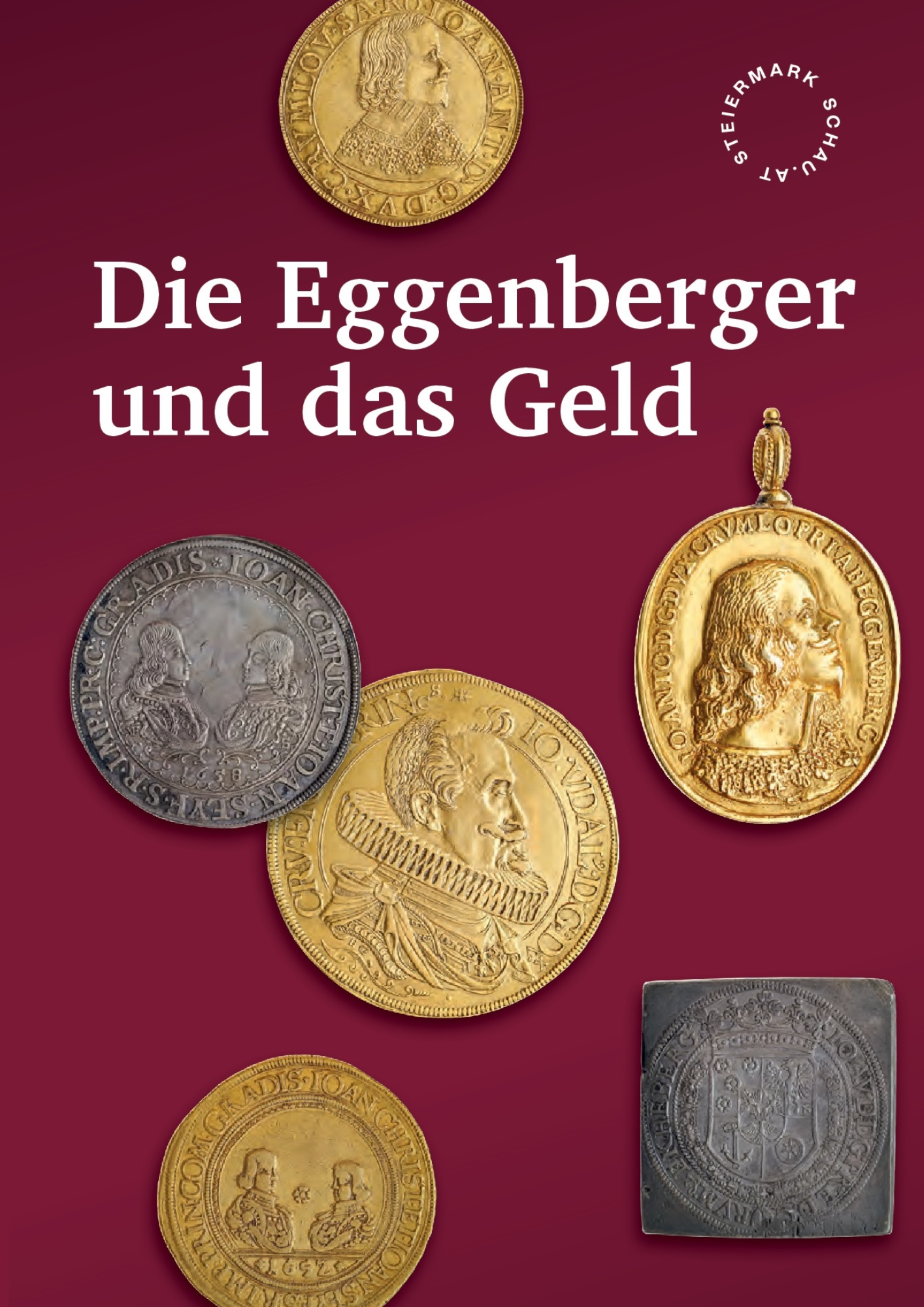
Karl Peitler – Marc Philipp Wahl,Die Eggenberger und das Geld(Begleitband zur Ausstellung im Rahmen der STEIERMARK SCHAU 2025 in Schloss Eggenberg, 26. April bis 2. November 2025)(Schild von Steier – Kleine Schriften 27)Graz 2025ISBN 978-3-903179-77-6175 S./pp., zahlr. Farbabb./num. colour figs., 23 x 16,5 cm; broschiert/softcoverDie Publikation beinhaltet Essays zu den Münzen und Medaillen der Familie Eggenberg und zu den Kippermünzen des Münzkabinetts des Universalmuseums Joanneum und bietet einen ausführlichen Katalogteil, in dem die in der Ausstellung gezeigten 284 Münzen und Medaillen aus dem Münzkabinett des Universalmuseums Joanneum in Wort und Bild erfasst sind. Er gliedert sich in vier Teile: 1. Münzen und Medaillen der Familie Eggenberg (Kat.-Nrn. 1- 46), 2. Reguläre Münzen der Kaiser Ferdinand II., Ferdinand III. und Leopold I. aus Münzstätten des österreichischen Reichskreises (Kat.-Nrn. 47-198), 3. Münzen der Kipperzeit aus Münzstätten des Heiligen Römischen Reiches (Kat.-Nrn. 199-277) und 4. Weitere Münzen und Medaillen (Kat.-Nrn. 278-284). Zur Ausstellung: Im Jahr 1625 gewährte Kaiser Ferdinand II. Hans Ulrich von Eggenberg und seinen Nachkommen das Privileg, Gold- und Silbermünzen mit ihren eigenen Bildnissen und Namen zu prägen. Knapp über 60 Jahre lang machten die Eggenberger von ihrem Prägerecht Gebrauch und stellten Dukaten, Taler, Gulden und Groschen her. Heute sind diese Münzen einzigartige Raritäten.Das Münzkabinett verfügt durch seine weit in das 19. Jahrhundert zurückreichende Sammlungshistorie über hervorragende Zeugnisse für die Prägetätigkeit der Eggenberger.In der Sonderausstellung werden Aufstieg, Glanz und Niedergang der Dynastie der Eggenberger anhand dieser Münzen dargestellt. Darüber hinaus werden Beispiele für die Vielfalt der Münzprägung im Heiligen Römischen Reich des 17. Jahrhunderts präsentiert.Es wird aber auch der geldgeschichtliche Hintergrund beleuchtet, als es am Beginn des Dreißigjährigen Krieges zum Zusammenbruch des Münzwesens kam und Kaiser Ferdinand II. eine Finanzkrise bewältigen musste, die einem Staatsbankrott gleichkam.Außerdem wird die Verbindung Hans Ulrichs von Eggenberg zum Netzwerk eines Konsortiums thematisiert, an das der Kaiser das Münzwesen in Böhmen, Mähren und Österreich verpachtete und das durch die Herstellung von schlechten Münzen hohe Gewinne erzielte.
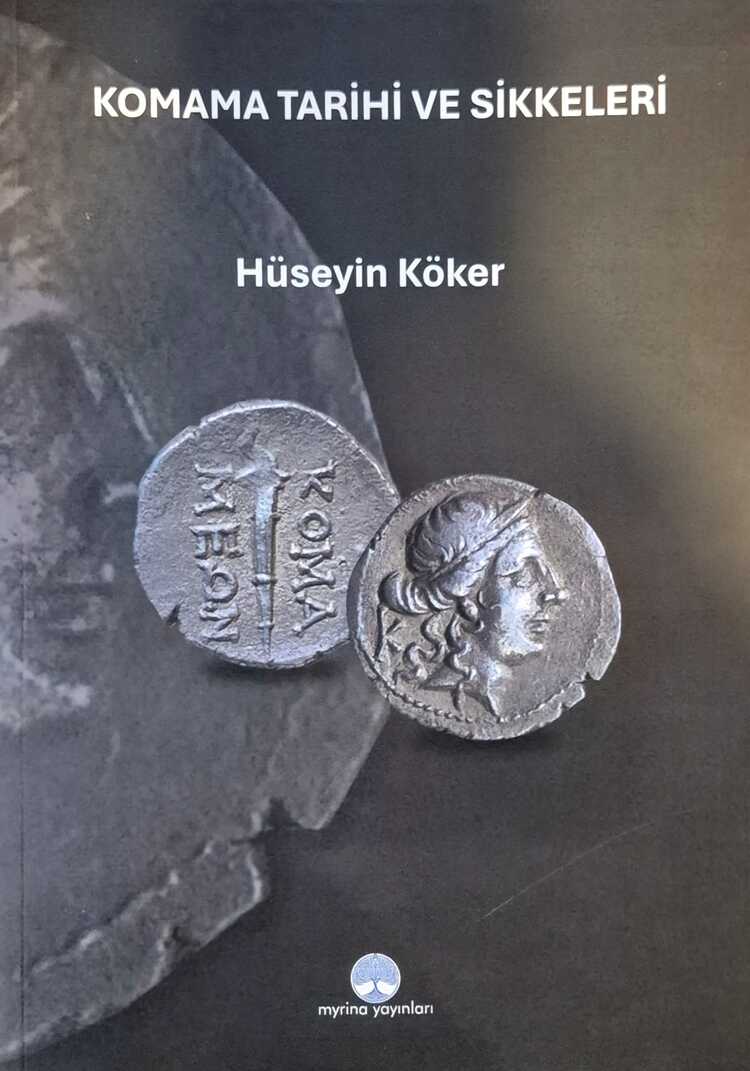
Hüseyin Köker,Komama Tarihi ve SikkeleriAnkara 2024ISBN 978-625-6872-37-6XIV + 240 S./pp., 22 Farbtaf./22 colour pls., 28 x 20 cm; broschiert/softcover Komama ist heute als Şeref Höyük bekannt und befindet sich im Dorf Ürkütlü im Bezirk Bucak der Provinz Burdur, in dem Gebiet, das innerhalb der Grenzen der Region Pisidien als Milyas bezeichnet wird. Die Spuren einer Besiedlung auf dem Hügel reichen bis in die prähistorische Zeit zurück. Die Siedlung war wahrscheinlich in den Jahren 129–126 v. Chr., als die römische Provinz Asia gegründet wurde, als Polis/Stadtstaat im hellenistischen Stil organisiert. Auf Befehl von Augustus wurde sie im Jahr 6 v. Chr. zu einer römischen Kolonie umgewandelt. Die Stadt bestand bis in die Spätantike hinein. Komama begann in den 120er Jahren v. Chr. mit der Prägung eigener Münzen und setzte diese bis zur Zeit ihrer Existenz als römische Kolonie fort. Als Kolonie begann die Stadt erst in der Zeit von Antoninus Pius mit der Prägung eigener Münzen und prägte ihre letzten Münzen in der Zeit von Herennius Etruscus. Komama is known today as Şeref Höyük, located in the village of Ürkütlü in the Bucak district of Burdur Province, within the section of the Pisidia region known as Milyas. Traces of settlement at the mound date back to prehistoric times. The settlement was likely organized as a Hellenistic-style polis/city-state during the years 129–126 BCE, when the Roman province of Asia was established. It was transformed into a Roman colony in 6 BCE by order of Augustus. The city maintained its existence until the Late Antique period. Komama began minting its first coins in the 120s BCE and continued coin minting until the period when it became a Roman colony. As a colony, the city did not begin minting its first coins until the reign of Antoninus Pius and minted its last coins during the reign of Herennius Etruscus.